Which brands made the most of the 2026 FIFA World Cup? We look at YouGov’s latest data and how prize promotions helped sponsors turn attention into action.
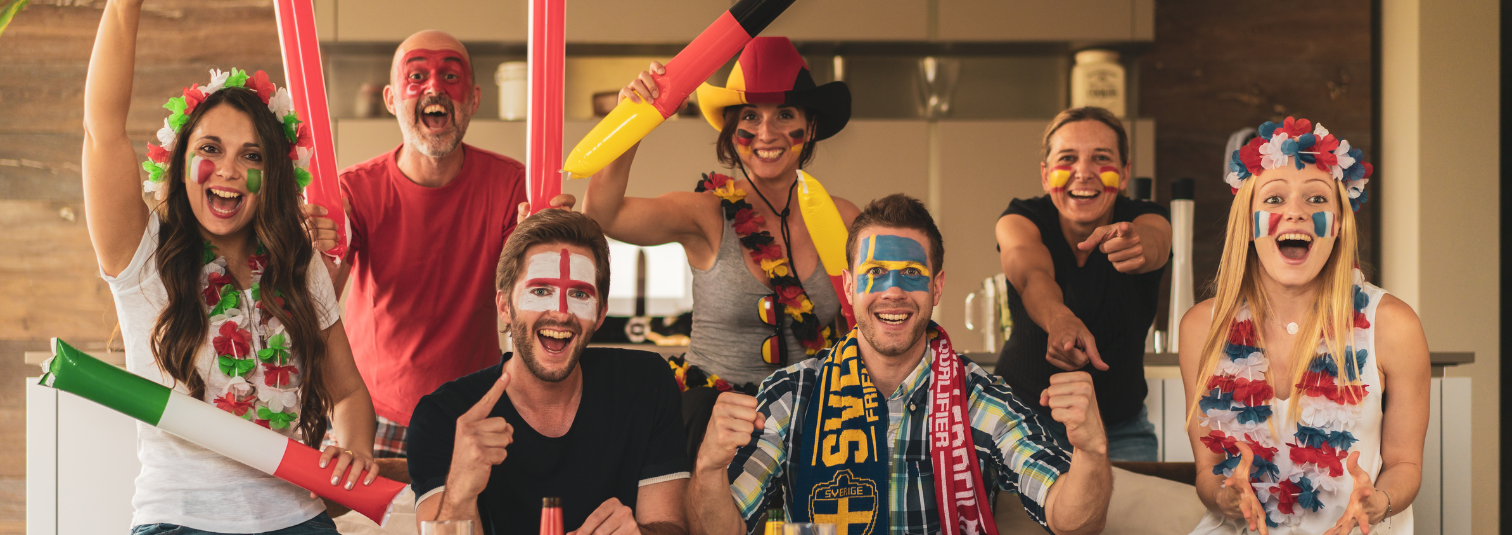
Our national team may not have made the World Cup final this year, but the spectacle of the tournament more than made up for the disappointment.
Now the matches are over, attention is turning to another competition: which brands made the most of one of the biggest commercial and cultural moments of the year?
New BrandIndex analysis from YouGov identifies the sponsor-linked brands that made the biggest gains among UK adults interested in the FIFA World Cup.
The analysis compares the 18 days before the tournament began with the period from 11–28 June, using an Advertiser Impact Score (AIS) based on changes in three measures: Ad Awareness, Buzz and Consideration. Importantly, Consideration is given double weighting – so this isn’t simply about which sponsors were most visible, but which brands managed to turn that visibility into potential purchase intent.
The top five were Walkers, Lenovo, adidas, Budweiser and Hyundai.
But there was one part of the analysis that particularly caught our attention at SPARK.
Two of the top five brands supported their sponsorship with on-pack prize promotions. And one of them topped the table.
Walkers took first place with an Advertiser Impact Score of 17.6, comfortably ahead of Lenovo in second.
Its No Walkers, No Game marketing platform was adapted from PepsiCo’s global Lay’s campaign, using football legends and celebrities to bring fans closer to the action.
In the UK, the campaign went beyond traditional advertising. Fans could access exclusive content through an epic football watch party channel, while a “Fan of the Match” promotion offered trips to England and Scotland World Cup group-stage matches.
Selected Walkers packs also gave consumers the chance to win prizes, including official merchandise, gift cards and cash.
As a result, Walkers recorded a 9-point increase in Ad Awareness and, perhaps more importantly, a 3.6-point increase in Consideration. Plenty of sponsorships can make a brand more visible, but growing Consideration suggests something more valuable may be happening further down the funnel
Budweiser was another brand that gave consumers a reason to actively engage with its World Cup sponsorship.
The brand finished fourth in YouGov’s rankings, recording a 9-point increase in Ad Awareness and a 3.6-point increase in Buzz.
Its World Cup activity included a promotion across selected packs, with the chance to win a pair of tickets to the FIFA World Cup semi-final, alongside hundreds of pieces of merchandise.
Interestingly, Budweiser’s Consideration score fell slightly despite those strong gains in awareness and Buzz. It’s a useful reminder that even high-profile sponsorship and activation don’t automatically translate into purchase consideration.
There are plenty of reasons why the five brands performed strongly.
Lenovo had a highly visible role as FIFA’s Official Technology Partner. adidas was quite literally at the centre of the action as supplier of the official match ball and Hyundai combined its Official Mobility Partner status with advertising and fan engagement initiatives.
It would be too simplistic to say that prize promotions were the reason Walkers and Budweiser performed well. But their activity highlights something we see repeatedly in promotional marketing: sponsorship creates attention, while activation gives consumers something to do with that attention.
A prize promotion can turn a logo on a sponsorship asset into a reason to pick up a pack, scan a QR code, enter a competition or engage directly with the brand. And when the prize is closely connected to the property being sponsored, it can extend the experience beyond the advertising itself.
That’s particularly powerful around major cultural moments such as the World Cup, where consumers already have an emotional investment in the event.
The YouGov results provide an interesting snapshot of which sponsors managed to cut through in 2026. For us, the bigger takeaway is that securing the sponsorship is only the beginning.
The brands that make the most of these opportunities are often the ones that find ways to turn passive audiences into active participants.
And a well-designed promotion can be a very effective way of doing exactly that.
Could your brand mascot become a compliance risk? We explore what the ASA's M&M's ruling means for HFSS brands, marketers and future promotional campaigns.
Why is Gen Z returning to the cinema? SPARK CEO, David Pearson, looks at how digital fatigue, social connection and shared experiences are driving a new generation of moviegoers.
What do sunshine, rain and bad hair days have in common? Some of the smartest marketing campaigns ever created.