Why is Gen Z returning to the cinema? SPARK CEO, David Pearson, looks at how digital fatigue, social connection and shared experiences are driving a new generation of moviegoers.
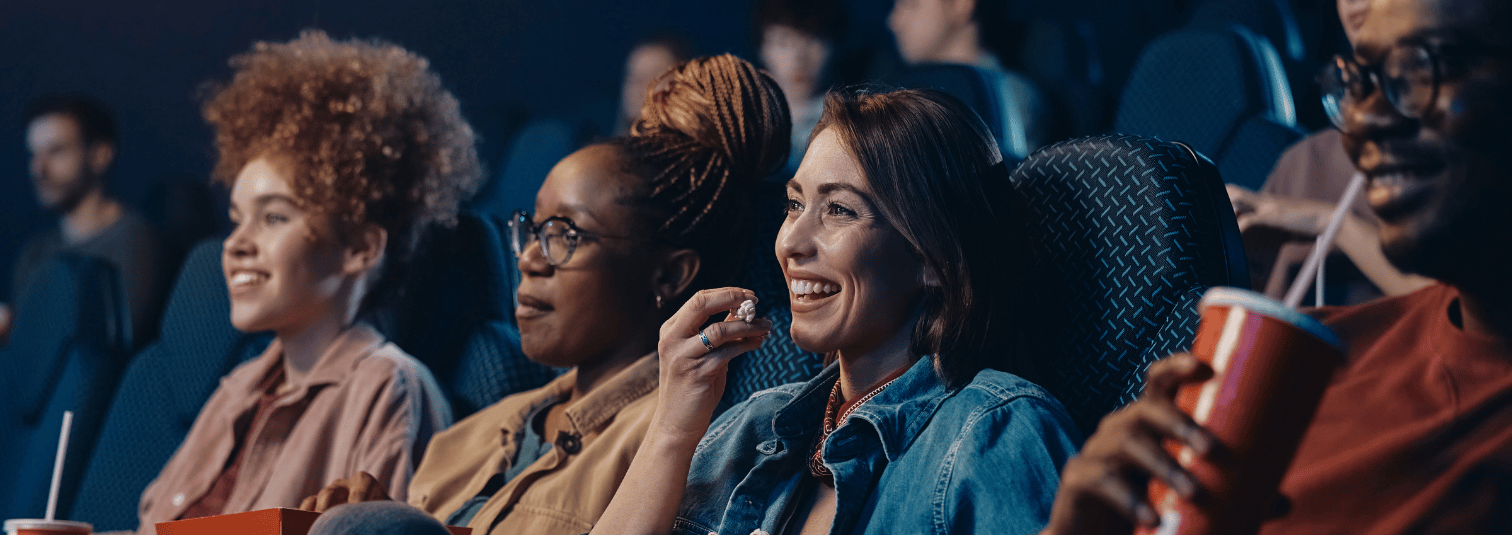
For the past few years, we’ve been fed a steady diet of doom-mongering about the death of cinema. The narrative was simple: between Netflix, TikTok, and a post-pandemic streak of social isolation, the local multiplex didn’t stand a chance. Why would a generation of “digital natives” supposedly lacking the attention span to sit still for two minutes, let alone two hours bother going to a dark room to sit with strangers without a phone in their hand?
Yet, as 2026 unfolds, a funny thing is happening. The global box office is looking healthier than it has in years. And it’s not the stubborn, older cinephiles like me driving this comeback. It’s Gen Z.
A recent US survey by Fandango revealed that 87% of Gen Z had gone to the cinema at least once in the past year, outpacing millennials (82%), Gen X (70%), and baby boomers (58%). Far from being hopelessly hooked on 15-second vertical videos, young people are averaging around seven cinema trips a year.
This isn’t just a temporary blip driven by a couple of massive blockbusters. It looks like a much deeper, structural craving for connection. Young people are actively turning to the big screen as a form of mental health self-care.
To understand why young people are flocking back to cinemas, you must look at what they’re running away from. The modern internet has morphed from a fun place to connect into a stressful, hyper-accelerated loop of infinite scrolls and breaking news alerts. In this environment, the cinema has become the ultimate life hack: a sanctuary where your phone is effectively banned.
For a generation acutely aware of its fractured attention span, the strict etiquette of a movie theatre offers a weirdly comforting oasis. At home, streaming has lost its magic. It’s too easy to hit pause, reply to a text, or get sucked into a TikTok rabbit hole. The total darkness of a cinema enforces a boundary. There is a powerful social stigma against lighting up a five-inch screen when a director’s vision is projected on a fifty-foot wall.
“The ability to block out two hours and have that time be your own is so rare now,” says Alex McAleer, 22. “You’re always accessible, always aware of the news cycle, always waiting for your phone to buzz.”
This urge to step away from the “black mirror” is part of a broader youth movement focused on reclaiming offline life. We see it everywhere. Over 73% of crocheters are now aged 18 to 34. More than half of Gen Z find vinyl records appealing, often just for the tangible, aesthetic value. Even birdwatching has exploded, with the number of young “twitchers” in the UK surging by over 1,000% in recent years.
As cultural commentator Serena Smith points out, we often overcomplicate this digital detox trend with expensive wellness retreats or niche productivity apps. The easiest antidote to tech burnout has been sitting right down the street the whole time: a movie ticket.
The cinema renaissance is also a direct response to a real-world crisis: the loss of community spaces. Gen Z is famously drinking less and turning away from traditional, expensive nightlife. According to the Night Time Industries Association, 68% of young adults are going out less simply because they can’t afford soaring club entry fees and drink prices.
With youth clubs gone and nightlife priced out, young people are searching for what sociologists’ call “third spaces”, places outside of home and work where you can just exist with other people.
The cinema fills that gap. It’s relatively affordable, especially with off-peak deals, student discounts, or workplace perks. More importantly, it helps combat a massive loneliness epidemic. A survey by the Marmalade Trust showed that 67% of young people in the UK feel lonely at least once a week.
Going to the movies answers that isolation issue without forcing awkward interactions. As 23-year-old Jae from Swansea puts it, it’s an environment where there is absolutely no pressure to make small talk, yet you are fundamentally together.
You feel the collective gasp during a horror jump-scare. You share the impulsive laughter at a good joke. You hear the quiet sniffles during a tragic ending. That shared emotional frequency proves that despite our highly customized, isolated algorithmic feeds, we still want to feel things together.
It would be a mistake, though, to think Gen Z is totally rejecting technology. Instead, they’ve plugged their digital lives into the cinema experience, creating a loop where online hype drives offline ticket sales.
Look at Letterboxd. The film-logging social app has exploded from 1.7 million users in 2020 to over 26 million today, with its core base firmly in the 18-to-35 bracket. Letterboxd turns a movie from a one-off event into an ongoing conversation. On the app, young filmgoers don’t just leave reviews; they trade witty, ironic one-liners and in-jokes. The movie doesn’t end when the lights come up; it just moves to the timeline.
Hollywood has figured this out, too. Movie press tours are now tailor-made for viral algorithms. Candid, goofy red-carpet interviews get millions of views on TikTok. Seeing stars act unpretentious—like the legendary chaotic energy of Ryan Gosling or Harrison Ford interviewing with Alison Hammond, or the viral success of Thomas Duke’s “Stepping Through Film” accounts—creates a sense of genuine connection.
When a major movie drops now, it becomes a rare culture-wide moment. In a media landscape where everyone is watching something different on their own private feeds, you must go to the cinema if you want to understand the memes and be part of the conversation. And you must go opening weekend.
Innovation in exhibition usually revolves around product, think “unlimited” subscription models or premium screens and seating. But are operators doing enough to capitalize on the cultural shifts driving Gen Z?
If cinemas want to turn this generation’s habits into long-term loyalty, they need to rethink the experience in three distinct ways:
Gen Z increasingly views the cinema as a rare oasis from notifications and endless scrolling. Operators should lean into this. Instead of treating pre-show phone warnings like a reprimand, reframe them as a perk: “Welcome to your digital wellness zone—enjoy two hours of guaranteed me-time.” You could even back this up physically with secure lobby charging lockers, letting guests literally lock away their stress before the lights go down. Partnering with mental health apps for ambient, calming pre-shows could further ease the transition from a frantic outside world into a dark, relaxing auditorium, opening up new commercial sponsorships in the process.
Right now, the post-film ritual is usually a race to the exit. Where space allows, operators should change that mindset by creating “decompression lounges.” Giving audiences a moody, casual space to grab a drink and unpack the film transforms the cinema into a vital “third space”, somewhere young people can connect without the pressure or high cost of traditional nightlife.
Gen Z is actively searching for community, but the cinema industry currently subcontracts that connection to platforms like Letterboxd or TikTok. Exhibitors have a massive opportunity to own the social space around film. By building their own digital hubs for reviews, debate, meet-ups, and crowd-sourced screenings, brands can build genuine, localised loyalty.
This community focus should culminate on opening weekends. Because Gen Z wants to drive the cultural conversation before the memes pass them by, opening nights need to feel like major events. Think “spoiler-avoider” early screenings, highly shareable photo installations, and actively encouraging dress-up culture. The goal is simple: make the local cinema the place to be on a Friday night if you want to lead the weekend’s conversation.
Ultimately, Gen Z’s love affair with the cinema shows that technology has not completely rewired our basic human needs. We still want communal spaces to process stories and feelings.
Streaming is convenient, but it can’t replicate the feeling of sitting in the dark with a room full of strangers, putting your phone away, and letting a story take over. Gen Z isn’t just playing their part in saving the cinema industry; they’re using it to anchor themselves in a hyper-connected, deeply lonely digital world.
Turns out, some of the best modern wellness advice is also the oldest: log off, slow down, and go watch a movie in the dark.
David Pearson
CEO
Which brands made the most of the 2026 FIFA World Cup? We look at YouGov’s latest data and how prize promotions helped sponsors turn attention into action.
Could your brand mascot become a compliance risk? We explore what the ASA's M&M's ruling means for HFSS brands, marketers and future promotional campaigns.
What do sunshine, rain and bad hair days have in common? Some of the smartest marketing campaigns ever created.