Challenger thinking isn’t just about positioning. Dave explains why prize draws, on-pack promotions and tactical activation should be built into your brand strategy from the start.

We love working closely with challenger brands, brands that need to punch above their weight.
Ambitious businesses.
Lean teams.
Clear growth targets.
But lately, we’re having similar conversations with global market leaders, demonstrating that something has changed. The pressure to stay relevant, stay visible and keep driving sales isn’t just a challenger brand problem anymore. It’s everyone’s.
IT’S NOT ABOUT SIZE. IT’S ABOUT MINDSET.
A challenger brand is often described as a business with ambitions bigger than its resources and a desire to change its category. That used to mean start-ups, but now it means any brand that refuses to coast.
Because the reality is this:
Consumers have more choice than ever and retailers demand performance. Categories are crowded, attention spans are short, and if you’re not actively creating reasons to choose your brand, you’re relying on habit, and habit is fragile.
THE RISK OF STANDING STILL
We see it all too often. Brands invest heavily in positioning and creative, talking about purpose, differentiation and long-term equity.
But then the commercial plan is reactive. Promotions are added late and tactical activity is treated as a short-term fix rather than a growth lever.
That’s where brands, both big and small, lose momentum. Challenger thinking isn’t just about having a sharper message; it’s about building commercial energy into your strategy.
And that means planning for action, not just awareness.
EVERY PRODUCT HAS MOMENTS THAT MATTER
Every product lifecycle has pressure points and opportunity points:
These are not just marketing milestones, they are commercial moments and they need structured activation behind them.
That’s where tactical promotions come in.
TACTICAL PROMOTIONS SHOULDN’T BE AN AFTERTHOUGHT
Prize draws.
On-pack promotions.
Limited-time mechanics.
Retail activations.
These are often treated as bolt-ons, but they shouldn’t be.
When planned properly, they:
Most importantly, they give consumers a clear reason to buy now not later. Challenger brands understand this immediacy, they can’t afford passive growth.
But market leaders need that same discipline today.
CHALLENGER THINKING IS ONLY POWERFUL IF IT DRIVES SALES
It’s easy to talk about being bold but harder to turn ambition into action that shifts product.
If you want to behave like a challenger brand, you need to show up at the moments that matter and give people a reason to act, to buy.
At SPARK, we believe tactical promotions like prize draws and on-pack mechanics should be built into brand strategy from the start, not added under pressure when numbers dip.
They should be mapped against key lifecycle stages. Planned. Structured. Measured.
Because brand strategy without sales activation is only half a plan.
If you’re serious about growth, whether you’re scaling or leading, challenger thinking must show up in how you drive demand and that means making tactical promotions part of your long-term growth strategy.
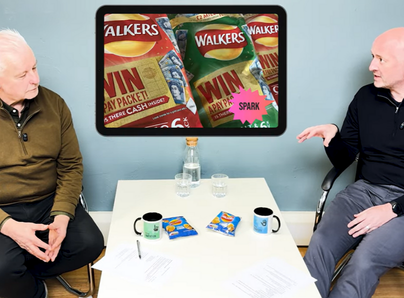
We dive into a brilliantly simple sales promotion from the late 90s that got shoppers switching brands fast. Find a fiver in a crisp packet, yes please!
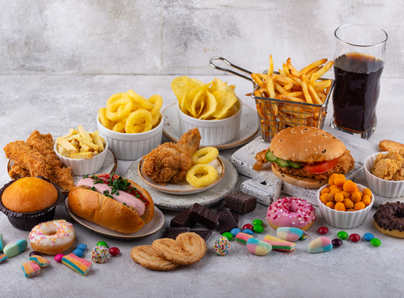
We unpack what HFSS brands can still do with prize and on-pack promotions under the new rules, and how SPARK helps brands stay compliant and creative.
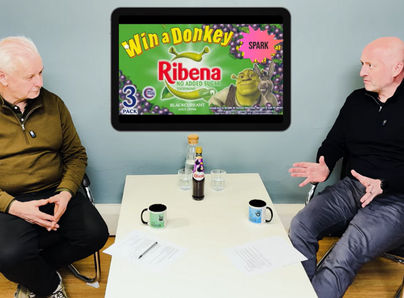
Great promotions rarely impress as a spreadsheet. They win because the idea is clear, Ribena's “Win a donkey” is a campaign in just 3 words.