The first 2026 CAP and BCAP rulings on HFSS advertising are in. We explore what passed, what didn't, and what can be learnt from the rulings.
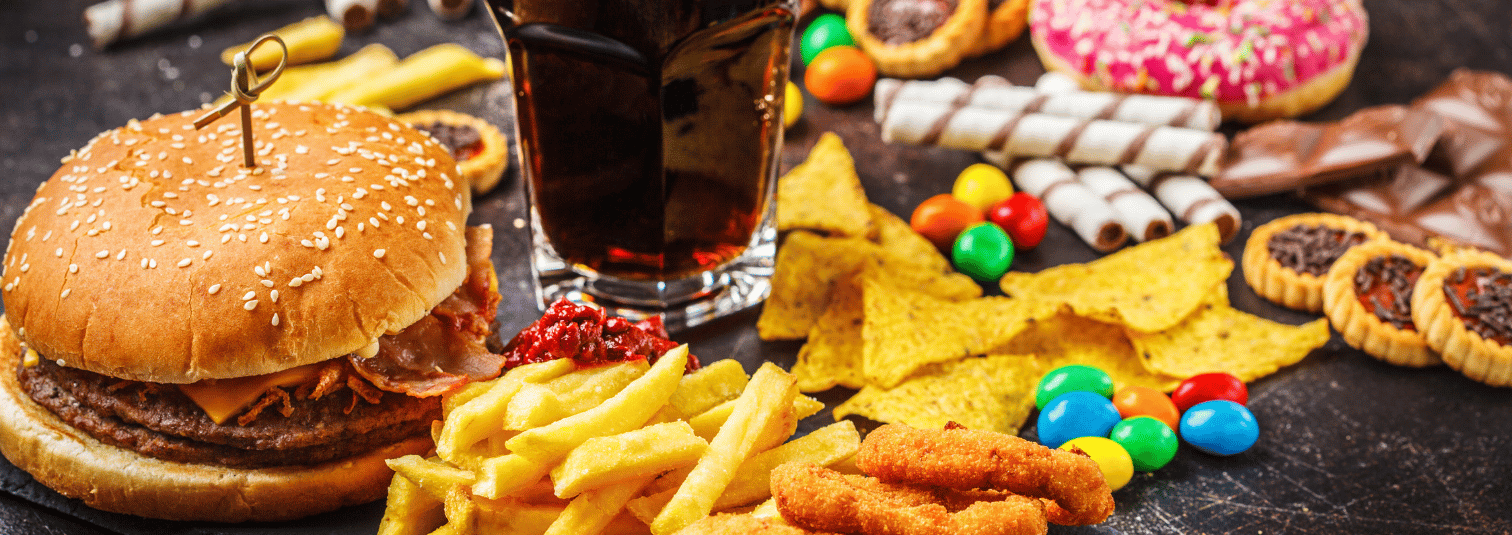
The first rulings under the new CAP and BCAP Codes for “less healthy” (HFSS) food and drink advertising are in, and they’re already giving us a clear signal on how the rules will be applied in practice.
Four cases have been assessed so far, with two being upheld. On the surface, that sounds balanced, but these rulings set the tone for a much stricter, more nuanced landscape that brands need to navigate carefully.
Let’s break down what happened, and what it means for brand marketers.
Context and classification matter more than ever
A paid influencer post for German Doner Kebab, featuring multiple menu items, was not found to be in breach.
Why?
Because the brand could demonstrate that every item shown was not classified as HFSS.
This is a critical point as the rulings focus on the specific products featured, not the brand.
For brands with mixed portfolios, this opens up opportunity, but only if you have absolute clarity on your product classifications and tight control over what gets shown.
If HFSS products are identifiable, you’re at risk
In contrast, ads from Iceland Foods were ruled in breach.
Even though the ads featured a mix of products, several clearly identifiable items (including sweets and confectionery) were HFSS. That was enough to trigger a violation.
The key takeaway: If consumers can reasonably identify an HFSS product in your ad, the rules apply, even in multi-product campaigns.
Influencer marketing is firmly in scope
A paid social post for Lidl was also ruled in breach, due to the inclusion of a single HFSS product (Pain Suisse).
Even though other products featured were compliant, the presence of just one identifiable HFSS item was enough.
This reinforces that:
For marketing teams, this means tighter briefing and far less room for improvisation.
Not all incidental HFSS appearances are a problem
A TV ad from On The Beach, which briefly showed a doughnut in a buffet setting, was not found to be in breach.
Why?
Because the ad was clearly promoting a holiday perk and not food, the HFSS product was incidental and not identifiable as the focus.
This is an important distinction:
These early rulings highlight a few emerging realities:
At SPARK, we work with brand owners and managers to:
The first CAP and BCAP rulings aren’t just guidance, HFSS regulation is no longer theoretical and it’s being enforced. Both campaigns that fell foul of the ruling had to remove their adverts and agree not to use them in the current format again.
But while the rules may limit certain types of activity, they also create space for better, sharper, more strategic marketing.
For brands willing to rethink how they show up, there’s still plenty of opportunity to stand out.
Which brands made the most of the 2026 FIFA World Cup? We look at YouGov’s latest data and how prize promotions helped sponsors turn attention into action.
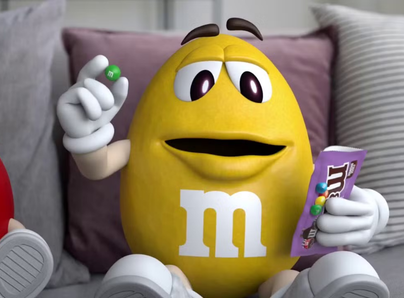
Could your brand mascot become a compliance risk? We explore what the ASA's M&M's ruling means for HFSS brands, marketers and future promotional campaigns.

Why is Gen Z returning to the cinema? SPARK CEO, David Pearson, looks at how digital fatigue, social connection and shared experiences are driving a new generation of moviegoers.